
 By
By 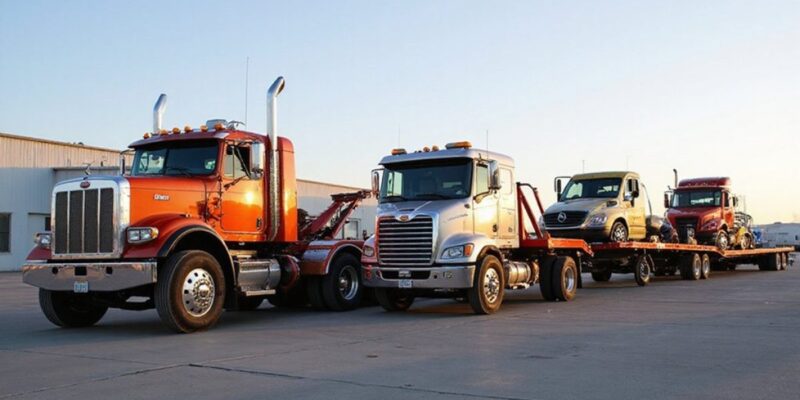
Every towing operator faces the same decision at some point. You need another truck, and you have to choose between buying fresh off the line or going with something that already has miles on it. There is no single right answer. The right call depends on what your business does, how much cash you can free up, and how much downtime you can tolerate.
Plenty of operators assume that new tow trucks are always the safer bet because they come with a clean slate and a warranty. Others swear by used equipment because it has already proven itself on the road and the depreciation hit is behind you. Both sides have a point. The mistake is making the choice based on price alone, or on what the guy down the road did last year.
This guide walks through the real factors that should drive your decision. Not the brochure version. The version that matters when your phone is ringing at 2 a.m. and the truck you bought is sitting in the shop.
Start With the Work, Not the Truck
Before you look at a single listing or walk a dealer lot, write down what the truck will actually do day to day. The type of work narrows your options faster than any spec sheet.
If you run light recovery and dealer transports, a rollback is probably your core unit. If you are pulling semis out of ditches and handling heavy recovery, you are looking at a wrecker or a heavy-duty carrier. The truck has to fit the calls you take, not the calls you wish you took.
A common mistake is buying more truck than you need because it feels like the smart long-term play. A heavy wrecker that sits three days a week is not an asset. It is a payment with a sleeper cab. The reverse is also true. A light rollback that gets overloaded on every other job will cost you in repairs and lost calls.
Once you know the type, the new versus used question gets easier to answer because you are comparing apples to apples.
The Real Cost of a New Tow Truck
A new truck gives you a clean starting point. The hydraulics have zero hours. The deck or boom has not been stressed. The chassis is under warranty. You know exactly what you are getting because no one else has put it through the ringer yet.
For operators who depend on maximum uptime, that matters. A new unit is less likely to throw a surprise repair in the first few years, and when something does go wrong, the warranty usually covers it. That predictability is worth real money when your revenue depends on the truck rolling every day.
New equipment also comes with current technology. On the Jerr-Dan side, that means features like No-Lube greaseless bushings that cut your maintenance time, and deck options that match how you actually work. You can spec the truck the way you want it, within what the manufacturer offers, instead of settling for what someone else ordered.
The tradeoff is cost. A new tow truck is a significant capital outlay. Financing is available, but the monthly payment and the insurance on a fresh unit are higher. You also take the first round of depreciation, which is steeper than most operators expect in the first few years.
If your business has steady call volume and the cash flow to support the payment, new makes sense. You are buying years of predictable service and a truck that fits your operation from day one.
The Real Value of a Used Tow Truck
A used truck is where a lot of smart operators build their fleet. The first owner took the depreciation hit. The truck has proven it can run. And if it has been maintained well, it can give you years of solid work for a fraction of the new price.
The key phrase there is “if it has been maintained well.” That is the entire risk with used equipment. You are buying someone else’s history, and not every seller is going to tell you the full story.
A well-kept used rollback or wrecker can be one of the best investments you make. A poorly kept one can become the repair bill that eats your season. The difference comes down to how carefully you inspect the unit and how honest the seller is about what it has been through.
Used trucks also let you move faster. When you find the right unit, you can put it to work the same week. You are not waiting on a build slot or a factory order. For an operator who needs a truck now, that speed is a real advantage.
The tradeoff is uncertainty. You will not get a full warranty. You may inherit wear you cannot see in photos. And if you buy from a seller who does not know the equipment well, you are taking their word on condition, which is a gamble.
What to Actually Inspect on a Used Unit
If you go the used route, the inspection is everything. A phone call and a few photos are not enough. Either go look at the truck yourself or work with a dealer who will walk you through it honestly.
On a rollback, check the deck for warping, cracks, and wear at the hinge points. Run the bed through a full cycle and listen for groaning or hesitation in the hydraulics. Look at the cylinder shafts for scoring. Check the undercarriage for rust, especially if the truck worked in a region that salts the roads.
On a wrecker, cycle the boom through its full range. Check the winch cable or chain for fraying and kinks. Inspect the L-arms and crossbars for bends and weld repairs. A bent L-arm that has been patched is a red flag, not a feature.
On any unit, pull the chassis history if you can. Hours matter more than miles on a tow truck because idle time at scenes still wears the engine. A truck with low miles but thousands of hours may have more life used up than the odometer suggests.
Financing and Cash Flow
The financing conversation is different for new and used, and it should factor into your decision early, not after you have already fallen for a truck.
New trucks generally qualify for longer terms and lower rates because the collateral is more valuable and the risk to the lender is lower. That can keep your monthly payment manageable even though the total cost is higher.
Used trucks usually come with shorter terms and higher rates. The monthly payment may still be lower than new, but the total cost of borrowing can surprise you. Get the full picture from your lender before you compare a new payment to a used payment side by side.
Also think about how the truck fits your cash flow, not just your budget. A lower payment on a used truck that spends two weeks in the shop is more expensive than a higher payment on a new truck that runs every day. Downtime is a cost, even though it does not show up on the invoice.
The Role of the Dealer
Whether you buy new or used, the dealer you work with shapes the experience more than most operators realize. A dealer who knows the equipment, stocks parts, and stands behind what they sell is worth more than a slightly lower price from a seller who disappears after the check clears.
When you buy new, a good dealer helps you spec the truck correctly and supports you through warranty issues. When you buy used, a good dealer tells you what the unit has been through, what it might need soon, and what to watch as you put it to work.
This is where working with an established equipment dealer, rather than a one-off seller, pays off. The relationship does not end at delivery. The dealers who have been around for decades are still around for a reason.
How to Make the Call
There is no formula, but there is a framework. Ask yourself four questions.
First, what will the truck do? That tells you the type and the spec you need.
Second, how much downtime can you absorb? If the answer is almost none, new gets more attractive. If you have backup capacity and a good shop relationship, used opens up.
Third, what does your cash flow support? Look at the full cost of ownership, not just the monthly payment. Include insurance, expected repairs, and the cost of any downtime you can predict.
Fourth, who are you buying from? The right dealer can make a used truck a smart buy and a new truck a long-term asset. The wrong seller can turn either one into a headache.
A Simple Way to Think About It
If you need a truck that runs every day, fits your exact operation, and you can carry the payment, new is usually the right call. You are buying years of predictable service and the ability to spec it your way.
If you need a truck now, you have a tolerance for some maintenance, and you want to keep your capital working elsewhere, used can be the smarter move. You are buying proven equipment at a lower entry point.
Neither choice is inherently better. The operators who get this right are the ones who match the truck to the work, the cost to the cash flow, and the dealer to the long-term plan.
When you are ready to compare options side by side, talk to a dealer who carries both. The conversation is worth more than any listing page.



Comments