
 By
By 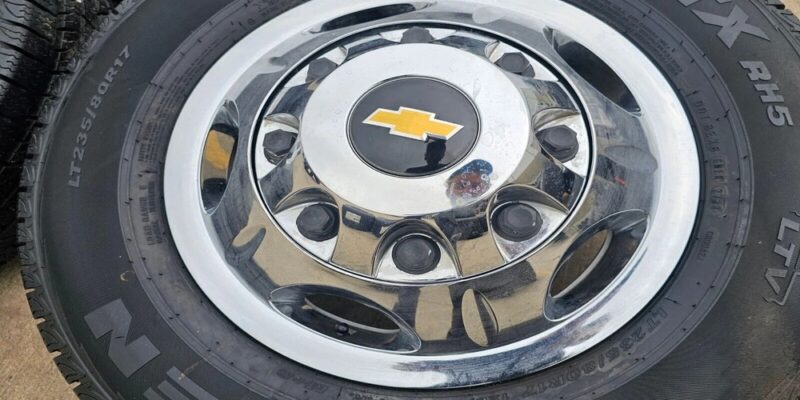
Why material choice is now a design decision, not just a purchase
Modern fleet operators no longer select wheel protection materials based only on price or appearance. With longer service cycles and heavier road usage, material selection has become part of vehicle planning. The wrong material can create imbalance issues, increase vibration noise, or require early replacement, which directly affects uptime and operating schedules.
How different materials behave under real fleet stress
Instead of thinking in terms of “strong vs weak,” it is more useful to evaluate how materials respond to continuous motion. Some materials maintain rigidity under load but transmit vibration, while others absorb movement but may deform over time. Advanced transport environments now demand materials that balance both behavior types rather than excelling in just one.
Corrosion response in high-exposure environments
Fleet vehicles operating near coastal regions or industrial zones face accelerated surface degradation due to salt, chemicals, and moisture. In such conditions, material layering and protective surface treatment matter more than raw strength. Multi-coated metal structures tend to perform better over time because they slow down oxidation instead of only resisting it at the surface level.
Heat cycling and structural fatigue over time
Unlike passenger vehicles, heavy trucks experience prolonged brake heat transfer that affects surrounding components. Materials expand repeatedly during long downhill runs and then contract during cooling periods. Over time, this cycle can create micro-level stress fractures if the material is not engineered for thermal stability. This is why industrial-grade alloys are increasingly preferred in long-haul applications.
Real-world vibration tolerance and road shock behavior
Highway transport exposes wheel components to continuous low-frequency vibration rather than single impacts. Materials that perform well in static testing may still fail under sustained oscillation. In commercial applications, products like CHEVY WHEEL SIMULATORS are often referenced because they are designed to maintain alignment stability even under long-duration vibration cycles, which is critical for fleet reliability.
Surface retention instead of just surface shine
Many buyers focus on initial appearance, but long-term surface retention is more important. Some materials maintain their finish even after repeated washing and dust exposure, while others lose clarity and develop dull patches. This affects not only aesthetics but also resale perception and fleet branding consistency over time.
Interaction with mounting systems and fittings
Material selection also influences how securely components stay attached during operation. Some materials allow consistent torque retention, while others require frequent re-tightening due to micro-flexing. In large fleets, even small fitting inconsistencies can lead to inspection issues or downtime, making compatibility with fastening systems a critical factor.
Selecting materials based on duty cycle, not category
Instead of choosing materials by type (metal vs polymer), modern fleet decisions are increasingly based on duty cycle, how many kilometers, load variations, and terrain types a vehicle handles. This approach ensures the material is matched to operational intensity rather than general assumptions about durability.








Comments