
 By
By 
Keeping your car safe and stable on the road depends on more than just good tyres. One of the most overlooked parts of car care is vehicle wheel alignment. Many drivers only think about alignment when they notice steering issues, but by then, the damage is often already done. This guide explains the basics in simple terms so you understand what alignment is, why it matters, and when to visit a tyre shop for help.
What Is Wheel Alignment?
Wheel alignment is the process of adjusting the angles of your tyres so they sit correctly on the road. When the wheels point in the right direction and sit at the right angle, the car drives smoothly and safely. Even a small misalignment can affect how the car feels and how long your tyres last.
Alignment mainly involves three angles:
- Camber – how much the wheel tilts in or out when viewed from the front
- Caster – the angle of the steering axis
- Toe – whether tyres point slightly inward or outward when viewed from above
A proper alignment ensures these angles match the manufacturer’s specifications. When they’re off, handling becomes unpredictable, tyres wear out faster, and fuel economy drops.
Why Wheel Alignment Matters
Correct alignment affects nearly everything about the driving experience. Here’s why it’s important:
1. Better Tyre Lifespan
Misaligned wheels wear unevenly. This means you may end up needing a car tyre replacement in Singapore sooner than expected. Good alignment helps your tyres last longer and wear evenly.
2. Improved Safety
A car that pulls to one side, vibrates, or feels unstable can be dangerous. Alignment improves control and stability, especially at higher speeds or during sudden braking.
3. Smoother Driving
When all four wheels are aligned properly, the ride feels far more comfortable. You won’t have to fight the steering wheel or deal with unnecessary vibration.
4. Fuel Savings
Misaligned tyres create drag, making the car work harder. Proper alignment restores efficiency, helping you save fuel over time.
Signs You Need an Alignment
Some signs are obvious, while others build up slowly. Look out for these:
- The car pulls to the left or right
- The steering wheel looks crooked even when driving straight
- Uneven tyre wear
- The steering feels loose or unstable
- Vibrations in the steering wheel
If you notice any of these, it’s time to visit a tyre shop for an inspection.
What Causes Misalignment?
Alignment can shift for many reasons. Even normal driving can gradually change the wheel angles.
Common causes include:
- Hitting a pothole
- Bumping a kerb
- Wear and tear on suspension parts
- Carrying heavy loads often
- Rough road conditions
Even if you drive carefully, alignment naturally drifts over time. This is why regular checks are important.
Wheel Alignment vs Tyre Balancing vs Tyre Fitting
Drivers often confuse these services. Each one plays a different role in keeping your car safe.
Wheel Alignment
Adjusts wheel angles so the car drives straight and handles correctly.
Tyre Balancing
Balancing fixes weight differences in the wheel-and-tyre assembly. Poor balancing causes shaking at higher speeds. This is part of tyre fitting and balancing services offered in many workshops.
Tyre Fitting
This is when a new tyre is mounted onto the rim and installed on the car. Good fitting ensures the tyre seals properly and performs well.
These services work together to keep your car running safely and smoothly.
How Often Should You Check Wheel Alignment?
Most experts recommend checking alignment every 6 to 12 months. You should go sooner if:
- You drive on rough roads
- You hit a pothole or kerb
- You replace suspension parts
- You install premium automotive tyres
- You notice any alignment symptoms
Checking alignment regularly can save you money on repairs and tyre replacement in the long run.
What Happens During a Wheel Alignment?
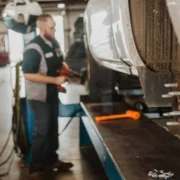
Modern workshops use computerised systems that measure wheel angles with high accuracy. Here’s what typically happens:
- A technician checks your suspension and tyres
- Your car is placed on an alignment machine
- Sensors are mounted on all wheels
- The system reads the current alignment angles
- The technician makes corrections
- The steering wheel is centred and tested
The entire process is precise and usually quick. A well-aligned car is easier to drive and much safer.
When You Should Combine Alignment With Other Services
Sometimes alignment alone isn’t enough. You may need extra checks if:
- You install new tyres
- You feel vibrations even after alignment
- Your car handles poorly despite correct alignment
In these cases, workshops may recommend:
- Wheel balancing
- Tyre rotation
- Suspension inspection
If you’re trying to manage costs, look for affordable tyre services that bundle these together.
Does Alignment Affect Tyre Choice?
Yes. Modern tyres are designed to work at their best only when properly aligned. For example:
- Performance tyres need accurate alignment for grip
- Eco tyres depend on low resistance, which misalignment affects
- All-season tyres wear quickly if angles are off
If you invest in premium automotive tyres, proper alignment is essential for getting full value from them.
Should You Align All Four Wheels?
Most cars today need a four-wheel alignment. This ensures all wheels align correctly with one another. Some older models only need front-wheel alignment, but checking all wheels is still safer.
A technician will advise what your car needs based on the model and suspension type.
How Much Time Does Alignment Take?
A standard alignment takes about 30 to 45 minutes. If parts are worn or adjustments are difficult, it may take longer. Adding other services like balancing or rotation will extend the time.
Even so, it’s a short process with long-term benefits.
How Alignment Helps You Avoid Bigger Problems
Ignoring misalignment can lead to issues that cost far more to fix. These include:
A quick alignment check can prevent all of this.
Wheel alignment is simple to overlook, but it affects safety, comfort, and long-term costs. When your car starts pulling to one side or your tyres show uneven wear, it’s time to act. A well-aligned vehicle handles better and keeps your tyres in good shape for longer.
If you need expert help, visit Mrrjestic Tyres. As a leading tyre shop in Singapore, they offer precise alignment, quality tyres, and reliable service. You can count on their wide range of tyre brands, skilled technicians, and commitment to keeping every car safe on the road. Whether you need alignment, balancing, fitting, or a new set of tyres, their team is ready to help.
Give them a call or drop by their showroom to get a professional check today. Safe driving starts with proper alignment – let Mrrjestic Tyres take care of it for you.






Comments