
 By
By 
India’s logistics and last-mile delivery sector is observing a major shift, and at the middle of this shift is the rise of electric vehicles (EVs). With increasing fuel prices, rising environmental consciousness, and growing government incentives, delivery companies — both large and small — are focusing on promoting electric mobility as the road forward.
Here’s how Electric Vehicles are resulting in the delivery ecosystem and why more vehicle owners and startups are making the switch.
Cost-Effective Operations Are Fueling EV Adoption
For logistics startups and commercial fleet managers, daily operational efficiency makes or breaks the business. Electric vehicles provide a clear edge with comparatively low cost per kilometre compared with traditional petrol or diesel engines.
Electricity rates usually remain stable and much more affordable, making EV expenses a more predictable and affordable choice for consumers. While many businesses still follow comparing costs with conventional vehicles — such as checking the Bolero pickup price — an increasing number are now evaluating electric alternatives that are sustainable for businesses & also provide long-term savings.
Fewer Parts, Less Hassle: The Maintenance Advantage
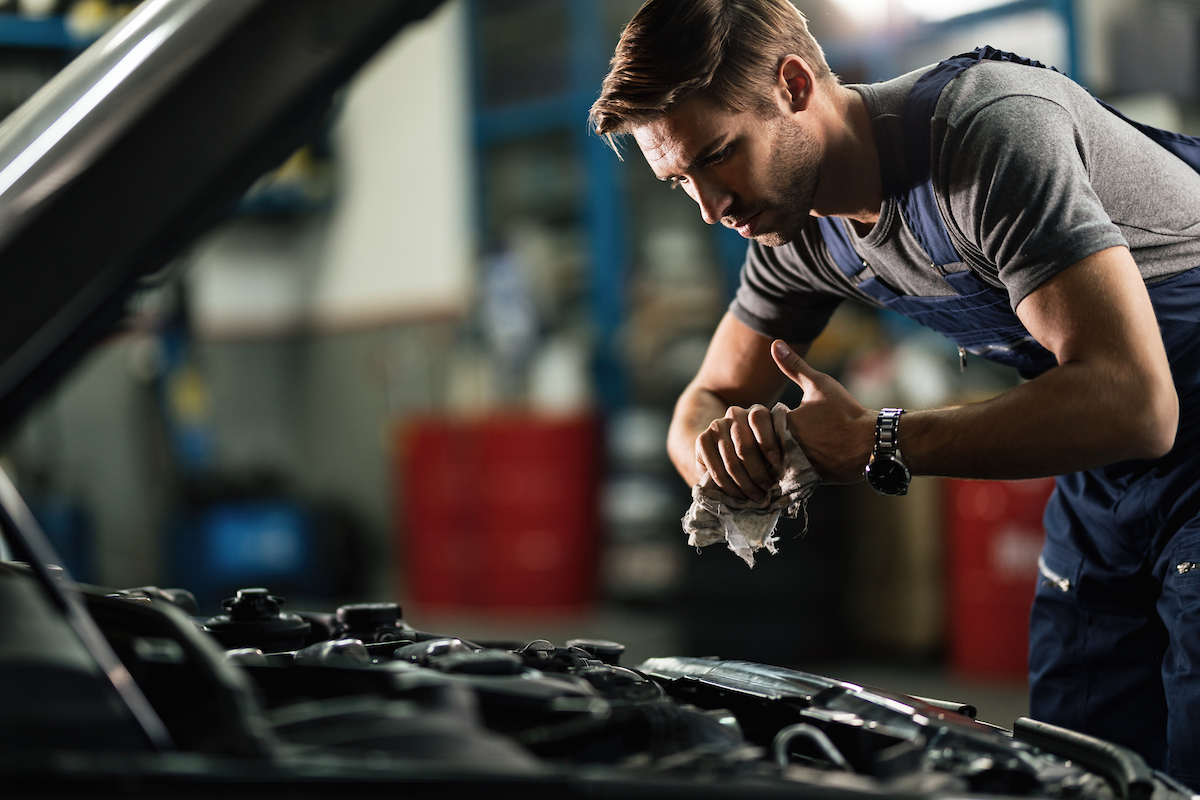
Internal combustion engine (ICE) vehicles come with a huge list of components — gearboxes, fuel pumps, oil filters, and so on — which demands frequent servicing. Electric delivery & transport vehicles reduce many of these systems, eliminating mechanical complexity and the likelihood of breakdowns.
This translates into fewer garage visits and more uptime on the road — a major plus for businesses with tight delivery schedules. The reliability of EVs is fast becoming one of their most appreciated features among operators.
Government Support Making the Shift Easier
Both the state as well as the central governments in India are proactively promoting EV adoption. Incentives such as subsidies, tax exemptions, and decreased registration charges are resulting in electric commercial EV vehicles more accessible for masses.
In various cases, the loans for EV purchases come with much lower interest rates, making it very easy for small business owners to invest in it. If you’re comparing prices — like typing “Ashok Leyland 18 wheeler truck price” online — you’ll observe that EV options are gradually catching up in affordability, especially after incentives are applied.
Driving Cleaner Deliveries in Urban India
Various cities in India are struggling with rising air pollution levels. Traditional delivery vehicles are mostly a primary contributor to degrade urban air quality because of its high carbon emissions.
Electric delivery vehicles and the two-wheelers produce almost nill to no carbon emissions, offering a better alternative that suits well with India’s sustainability goals. Shifting to electric not just helps in protecting the environment — but it also helps in building brands’ image as environment conscious and future-ready.
Expanding Charging Network = Greater Confidence
One of the primary & major concerns about Electric Vehicles (EVs) is the shortage of charging infrastructure. But things are changing fast. Charging points are now commonly found in metro cities at commercial hubs, warehouses, fuel stations, and even gated societies.
For delivery institutions, installing private charging stations at depots or using public fast-charging options can help in smooth operations and fast turnarounds. Range anxiety is no longer the deal-breaker it once was.
Empowering (SMEs) with Higher Scalable Delivery Solutions
For (SMEs), scalability mostly depends on keeping operational costs lower or under control. Electric vehicles offer a more trusted way to scale delivery distances without really increasing fuel or maintenance expenses. Whether it’s your home drone bakery business that fulfills online orders or a courier startup that aims to cover wider pincode in different areas, the electric vehicles allow a consistent performance with minimum maintenance. The lower cost of ownership helps the businessmen to invest more in their other business expenses rather than vehicle maintenance.
Along with that, various new electric cargo vehicles & any commercial truck are especially designed with modularity in mind, which makes it highly adaptable to multiple delivery needs — from food to e-commerce. For startups that are checking for long-term sustainable growth, utilizing EVs into their fleet can be a good move.
Final Thoughts:
India’s electric transition is accelerating, and the delivery sector is riding the wave. With long-term savings and goals, lower emissions, and better reliability, EVs are no longer just a regular option — in fact, they are becoming one of the smartest choices for commercial uses.
For business owners, startups, and automobile operators who are looking for ways to reduce costs and make eco-friendly choices, switching to electric vehicles could be the next great business decision.





Comments